
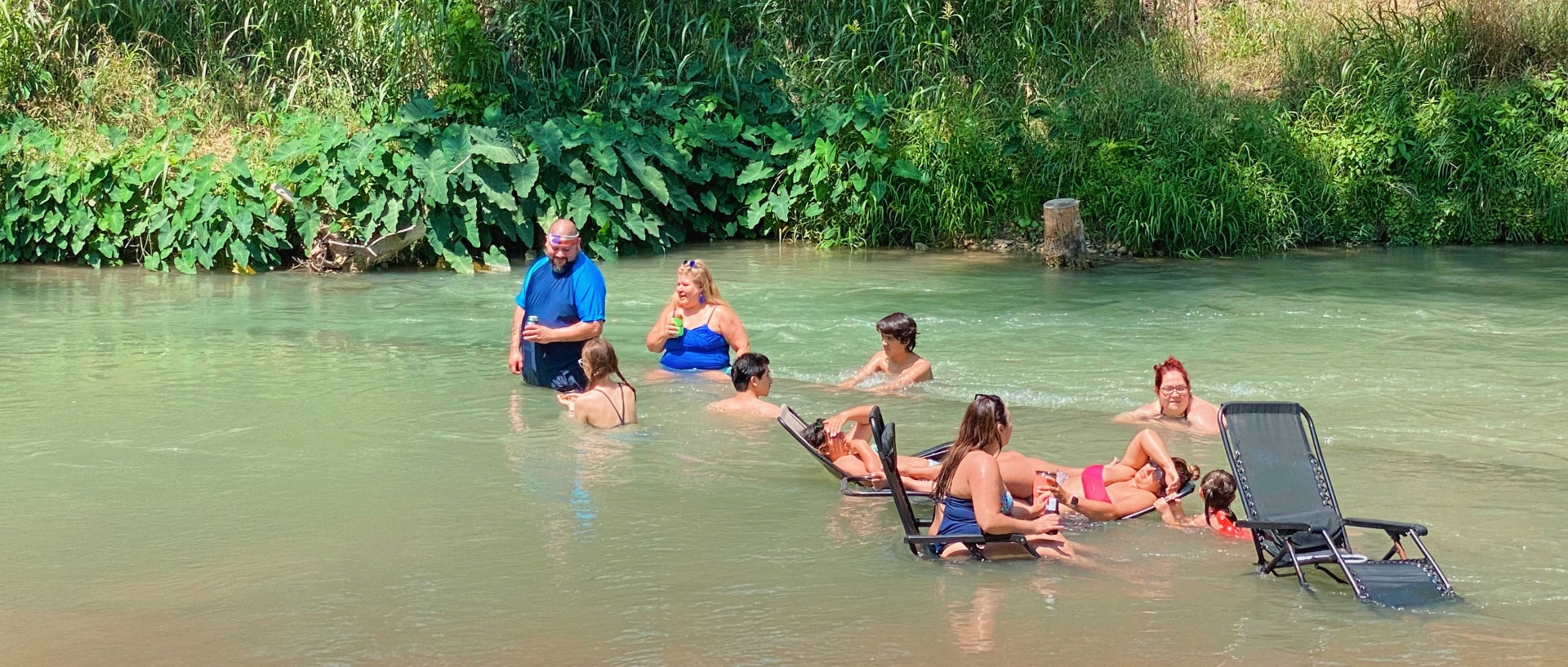
Every Texan knows the feeling: it's the first week of August, the thermometer reads 102°F, and the river you drove an hour to float is running warm, low, and slow. Here is the secret that seasoned Hill Country travelers have figured out — not all Texas rivers are created equal, and the difference comes down to two words: spring-fed.
While most Texas rivers depend on rainfall and runoff — swelling after storms and shrinking to a trickle in a drought — a handful of waterways are fed by enormous underground springs that push out cool, crystal-clear water every single day of the year. The crown jewel of these is the San Marcos River, which emerges from the Edwards Aquifer at a constant, refreshing 72°F, no matter how brutal the summer gets.
In this guide, we'll break down what makes a river spring-fed, how the San Marcos compares to the famous (but fickle) Guadalupe River, how to read river flow data like a pro before any Texas river trip, and where to swim, tube, kayak, and glamp on the most reliable stretch of cool water in the state.
What Makes a River "Spring-Fed"?
A spring-fed river gets its water from underground rather than from the sky. In Central Texas, rain that fell years ago percolates down into the vast limestone honeycomb of the Edwards Aquifer. That water travels underground until it finds an opening and surges back to the surface as a spring — filtered, clarified, and held at the cool, constant temperature of the rock deep below.
This underground origin gives spring-fed waterways three superpowers that runoff rivers can't match:
- Constant temperature: The water emerges at roughly the same temperature year-round — for the San Marcos River, a crisp 72°F at its source — because it never sat baking in the summer sun.
- Constant flow: Springs keep pushing water out even in a drought, so spring-fed rivers keep floating, swimming, and paddling reliably when runoff rivers drop too low to use.
- Clarity: Limestone-filtered springwater is famously crystal clear, with the kind of visibility that makes swimming and snorkeling feel like a tropical vacation.
The San Marcos River begins at San Marcos Springs, one of the largest spring systems in Texas, where hundreds of vents bubble up from the aquifer. From there it flows cool and clear beneath cypress and pecan trees through Hays, Guadalupe, and Caldwell counties. Other beloved spring-fed waterways in the region include the Comal River in New Braunfels — famously the shortest river in Texas — plus smaller gems like spring-fed Geronimo Creek near Seguin (home to Son's Geronimo) and spring-fed Cibolo Creek near Marion (home to Son's Rio Cibolo).
Spring-Fed vs. Runoff: The San Marcos River vs. the Guadalupe River
The Guadalupe River is undeniably famous — over 230 miles of it winds from the Hill Country to the Gulf Coast, and its New Braunfels tubing stretch is legendary. But its water source makes it unpredictable in exactly the months you need it most.
Guadalupe River
- Source
- Rainfall, runoff & Canyon Dam releases
- Flow
- Fluctuating & volatile
- Summer temp
- Warms into the high 70s–80s°F
- Water
- Varies from clear to murky
- Planning
- Check flow gauges before every trip
San Marcos River
- Source
- Spring-fed by the Edwards Aquifer
- Flow
- Constant, year-round volume
- Temp
- A crisp, constant 72°F at the springs
- Water
- Crystal clear, high visibility
- Planning
- Reliably floatable all summer
Why Water Source Matters in July and August
- The Guadalupe is rainfall and runoff-dependent. Aside from controlled releases from Canyon Lake, the Guadalupe's volume is dictated by surface runoff from rain events across the Hill Country. When Texas enters its typical mid-summer dry spells, the flow slows to a crawl, and the standing water absorbs the intense Texas sun. By July and August, the water temperature on the lower Guadalupe can climb into the high 70s or mid-80s, offering little relief from 100-degree air.
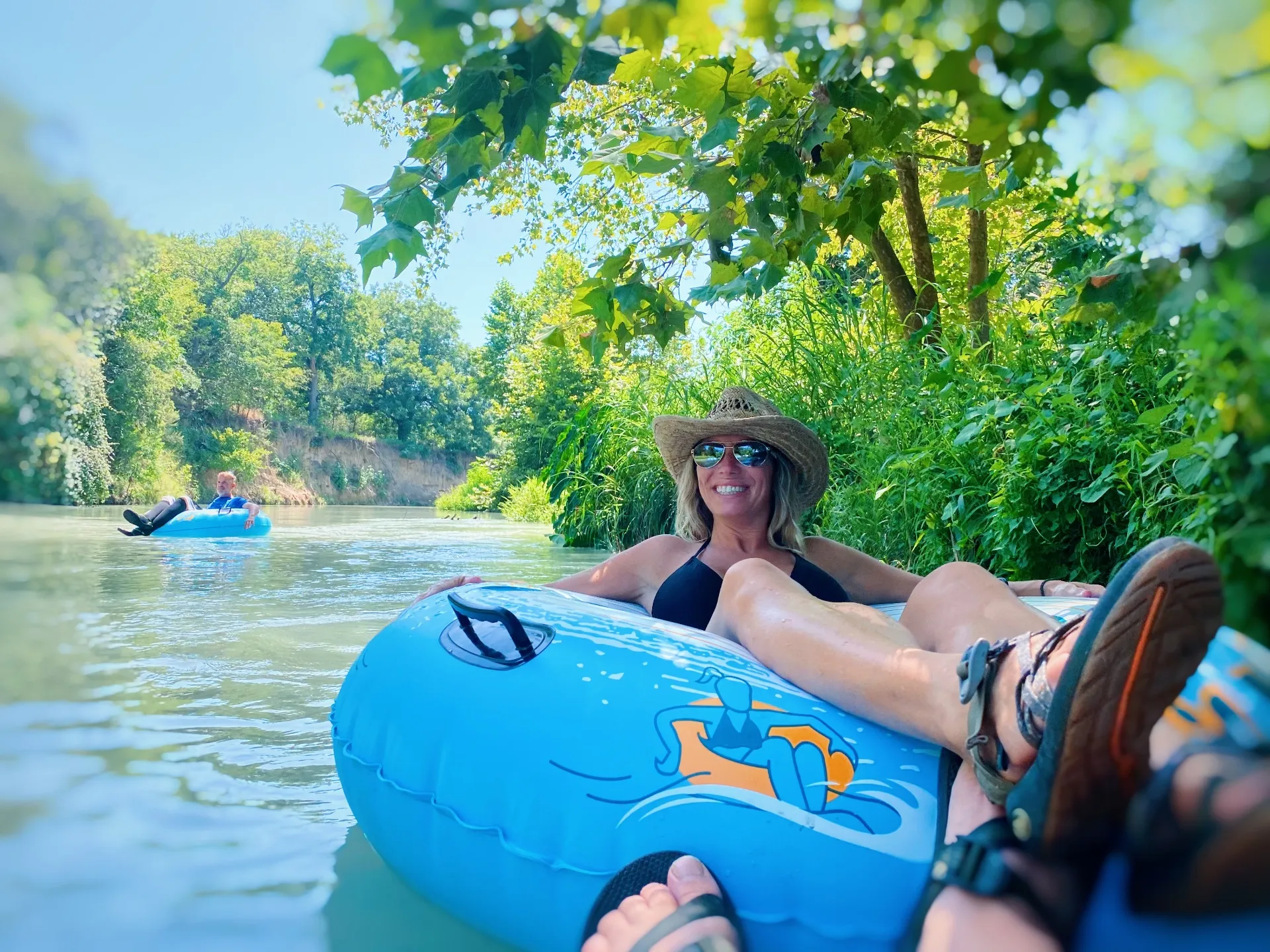
- The San Marcos is spring-fed. Because its water originates deep underground, it emerges cool and crystal-clear at a constant 72°F. Whether you visit in April, July, or October, the water remains remarkably crisp, clean, and refreshing — and because the springs flow continuously, the river maintains a steady, reliable volume even during severe summer droughts. While tubers on the Guadalupe might find themselves walking over dry rocks in a dry spell, visitors to the San Marcos River enjoy a smooth, refreshing float all summer long.
Still Planning a Guadalupe River Trip? Here's What to Know
The Guadalupe is worth experiencing — you just need to plan smart. Here are the essentials:
- Guadalupe River State Park: Located about 30 miles north of San Antonio near Spring Branch, the park offers four miles of river frontage, over 13 miles of hike-and-bike trails, and guided tours of the Honey Creek State Natural Area. Demand is extreme: day passes must be reserved up to 30 days ahead through the Texas Parks & Wildlife reservation system, overnight campsites open exactly five months out and book up fast, and rangers turn away arrivals without a reservation when the park hits its daily capacity cap — there are no waitlists.
- New Braunfels river rules: Within New Braunfels city limits, disposable containers (cans, plastic bottles, glass, single-use bags) are banned on the water — drinks and food must be in reusable containers, and coolers need a locking latch. Alcohol is legal for those 21 and up in approved reusable containers, speaker volume limits are enforced, and dogs must stay leashed.
- A private basecamp on the Guadalupe: If your heart is set on the Guadalupe but not on the crowds, Son's Guadalupe — the Son's family's riverside basecamp on River Road outside New Braunfels — offers 500 feet of river frontage, 20 riverside cabanas with grills, water, and electricity, 14 air-conditioned glamping tents, and on-site tubes with an upstream shuttle that floats you back to your own cabana instead of a public parking lot.
How to Check River Flow Levels Before Any Texas River Trip
Whichever river you choose, the smartest habit you can build is checking the flow rate before you load the car. River volume is measured in Cubic Feet per Second (CFS), and you can check live, real-time streamflow data using the USGS water monitoring gauges online. Here is how to read the numbers:
| Flow Rate (CFS) | River Conditions & Activity Recommendations |
|---|---|
| Under 100 CFS | Extremely Low: The water is shallow and pool-like. Tubing is not recommended, as you will have to walk your tube over dry rocks. Swimming is still possible in deeper bends. |
| 100 – 250 CFS | Low to Moderate: A slow, relaxing float. Great for families with young children and those looking for a gentle, lazy drift. You may occasionally touch bottom on shallow gravel bars. |
| 250 – 500 CFS | Optimal Floating: The ideal range for recreation. The river moves at a steady, fun pace. Rapids are playful but highly manageable for tubers and kayakers of all skill levels. |
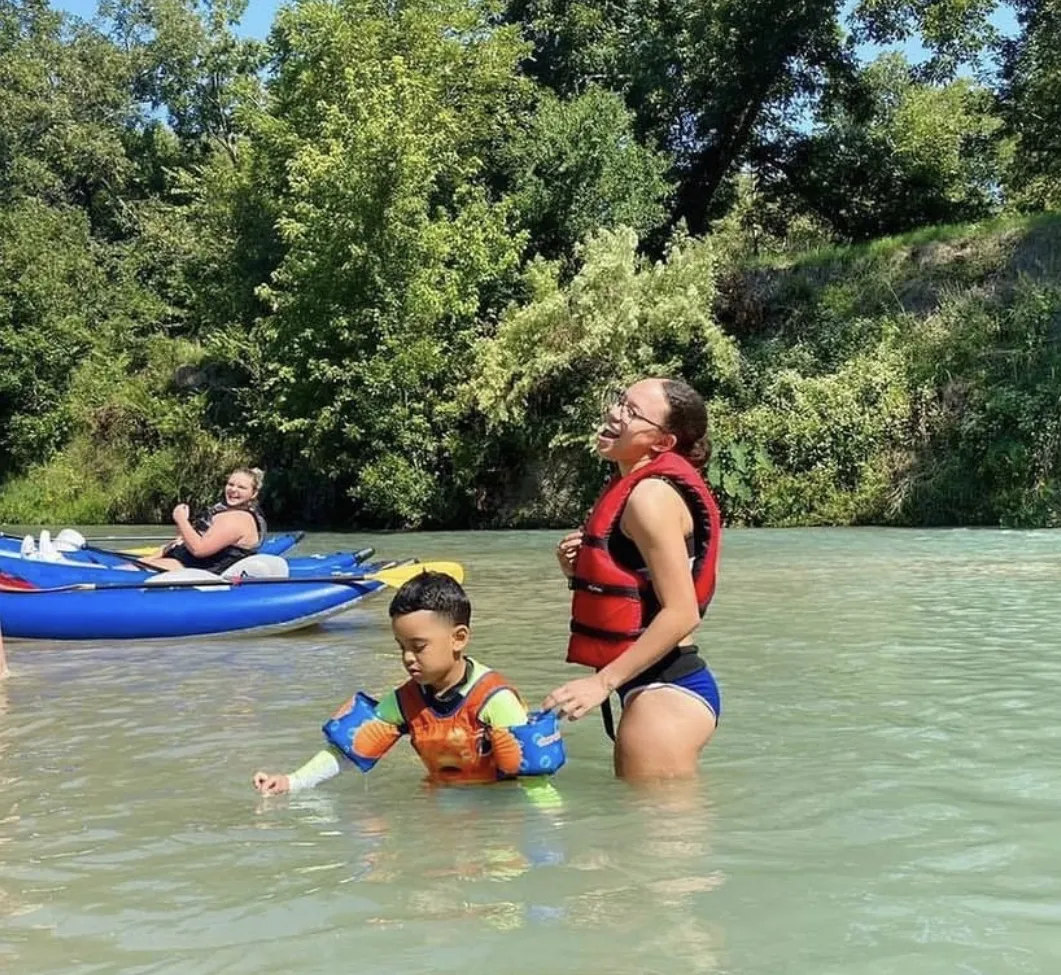
| 500 – 1,000 CFS | Fast & Challenging: The river is moving quickly. Life jackets are highly recommended, especially for children and weak swimmers. Expect exciting rapids and fast maneuvers. |
| Over 1,000 CFS | High Alert / Hazardous: The river is flowing at a high volume. Tube rentals may be suspended. Only experienced kayakers with proper safety gear should attempt to navigate the water. |
Here is the spring-fed advantage in one sentence: on the San Marcos River, the gauge reading barely changes from month to month — which is exactly why families who are tired of gambling on conditions keep coming back to it.
Comparing Texas River Accommodations: Public Parks vs. Private Resorts
Finding the right home base for your river trip can make or break your vacation. The table below compares regional options, looking at access, comfort level, water reliability, and overall atmosphere.
| Property | Location | River Served | Accommodation Types | Water Reliability | Crowd & Privacy Level |
|---|---|---|---|---|---|
| Guadalupe River State Park | Spring Branch, TX | Upper Guadalupe | Tent sites, RV hookups | Variable: Susceptible to dry spells and low flow rates. | High Crowds: Public access; daily park capacity limits apply. |
| Son's Guadalupe | River Road, New Braunfels, TX | Lower Guadalupe | Air-conditioned glamping tents, riverside cabanas, tent camping | Moderate–Good: A well-sloped stretch that floats well even on lower-water days. | Private Basecamp: Park once — cabanas, tubes, and shuttle all on-site. |
| Son's Blue River Camp | Kingsbury, TX | San Marcos River | Air-conditioned glamping cabins, safari cabins, riverside cabanas, tent camping | High: Spring-fed, constant flow, cool and clear all summer. | Quiet & Family-First: Capped guest counts, no public outfitter drop-offs. |
| Son's River Ranch | Kingsbury, TX | San Marcos River | Glamping cabins, safari cabins, bell tents, log cabins, tent camping, riverside cabanas | High: Spring-fed, constant flow, cool and clear all summer. | Spacious & Relaxed: 150+ acres, half a mile of frontage, capped day passes, quiet hours. |
Discovering Son's Blue River Camp on the San Marcos River
For travelers who love the idea of a classic Texas river trip but dread the logistics of fighting for state park day passes, monitoring volatile flow gauges, or squeezing onto packed public gravel bars, Son's Blue River Camp offers an elegant, low-friction alternative.
Located in Kingsbury, Texas — about 20 minutes from San Marcos and within comfortable driving distance of Austin, San Antonio, and Houston — Son's Blue River Camp is a premium, family-owned riverfront resort set on a gorgeous, cypress-lined stretch of the spring-fed San Marcos River. The property is designed to give guests immediate, stress-free access to cool, crystal-clear water without the hassles of public river access.
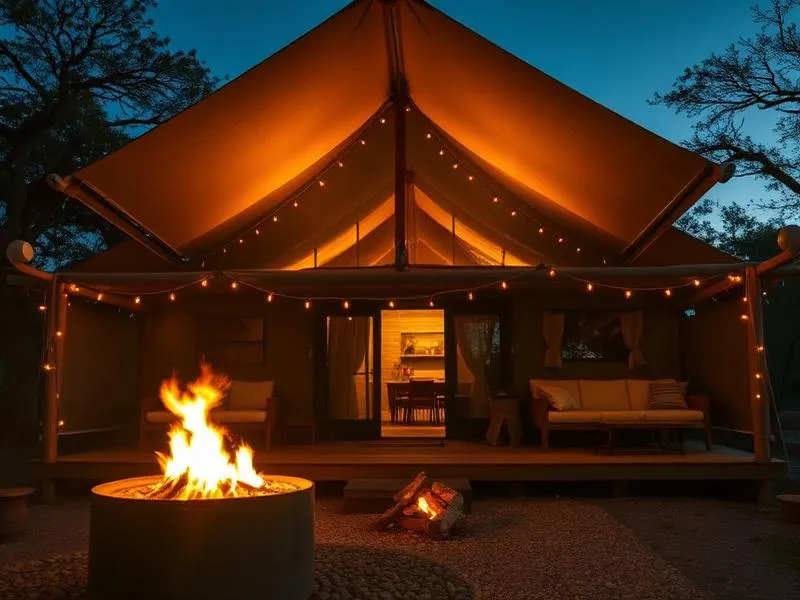
Instead of roughing it in a crowded public campground, guests stay in fully furnished, air-conditioned glamping cabins located directly on the water — combining the rustic charm of camping with real beds, cool air conditioning, and comfortable interiors. Deluxe safari cabins and budget-friendly tent camping round out the options, with fire pits, BBQ grills, and clean bathhouses steps away.
Turn-Key Tubing, Kayaking, and Cabana Rentals
One of the greatest advantages of staying at Son's Blue River Camp is the completely integrated, on-site recreation experience. You do not need to coordinate outside transport companies, drive to separate rental yards, or wait in massive lines for equipment.
- On-Site Tubing & Kayaking: The camp is the put-in point for a gentle, scenic 1.5-mile float down the spring-fed San Marcos River to the take-out at sister property Son's River Ranch — and the private shuttle brings you right back to camp. Enter the water steps from your cabin door and float beneath the cypress trees on reliably cool, clear water.
- Private Cabana Rentals: For day-trippers or overnight guests wanting a dedicated home base by the water, private cabana rentals provide comfortable shaded seating, picnic tables, charcoal grills, hammocks, and direct, easy entries into the cool spring-fed water — perfect for family reunions, birthdays, and group getaways.
- A Relaxed, Family-Friendly Vibe: Unlike high-density public access points, Son's Blue River Camp regulates the number of guests on the property and does not allow public outfitter drop-offs. The grounds, beach areas, and river entry points stay safe, relaxed, and genuinely enjoyable for kids, parents, and friend groups alike.
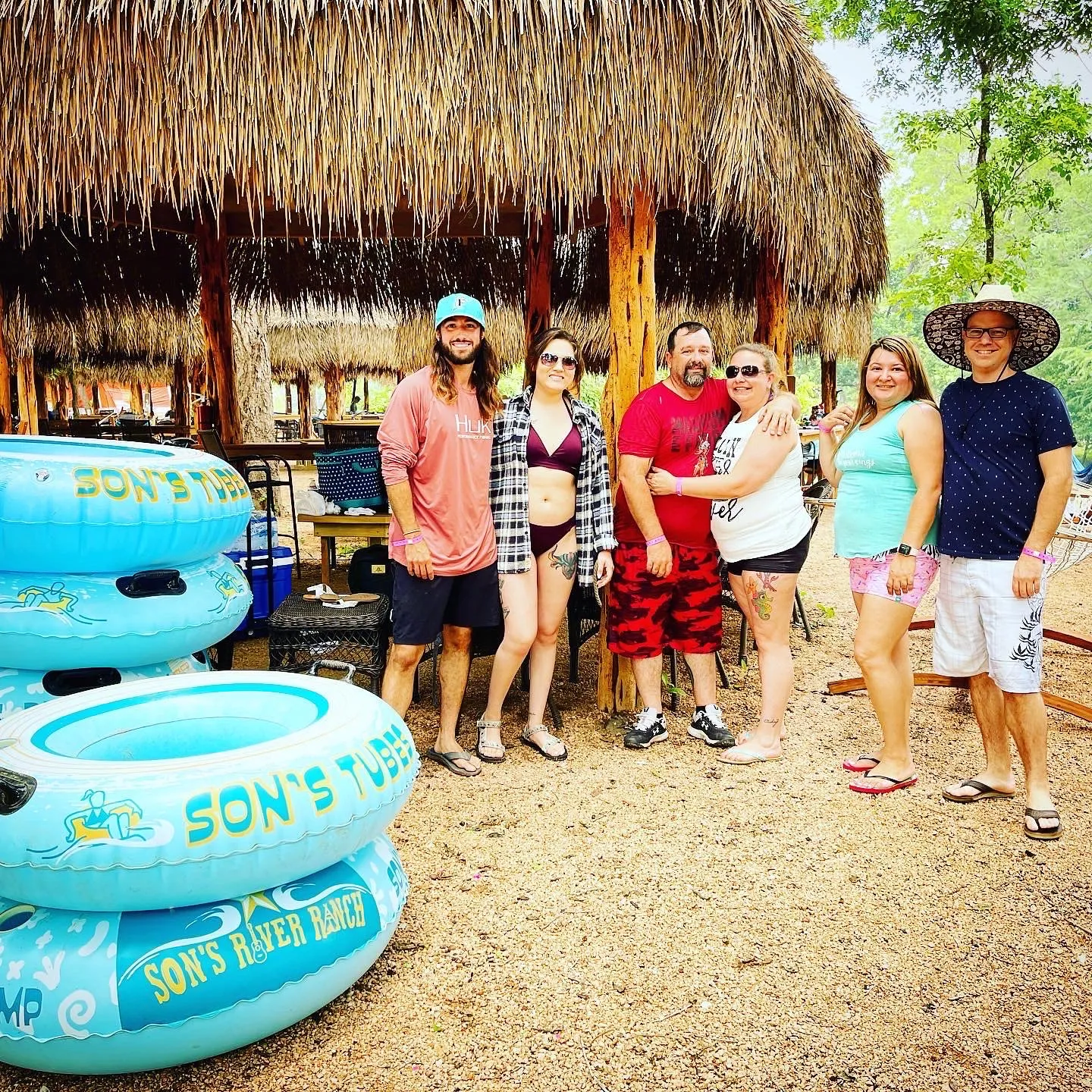
Coming from the city? This stretch of the San Marcos makes one of the best day trips from Austin and an easy San Antonio river day trip.
Want more room to roam? Sister property Son's River Ranch, just downstream, spans over 150 acres with more than half a mile of river frontage, a large gravel beach, and additional stay types including bell tents and log cabins.
Choosing the Best River for Your Texas Summer Escape
Ultimately, the choice comes down to what you want out of your summer:
- Choose the Guadalupe River if you're drawn to the rugged trails of Guadalupe River State Park, trout fishing below Canyon Dam, or the famous high-energy New Braunfels floats — just book your park permits weeks ahead, watch the USGS gauges, and pack reusable containers. For the Guadalupe without the public-access chaos, Son's Guadalupe on River Road gives you a private cabana basecamp with on-site tubes and shuttle.
- Choose the spring-fed San Marcos River (and Son's Blue River Camp) if you want a reliably cool, crystal-clear float regardless of drought, with air-conditioned glamping cabins, private shade cabanas, and turn-key tubing that starts and ends at your home base.
- Prefer calm water with no current at all? Son's Island in Seguin is a lakefront day resort on calm Lake Placid on the Guadalupe River, with 58 private waterfront cabanas — ideal for toddlers, grandparents, and zero-stress group day trips.
Whichever water you choose in 2026, plan around conditions, book early, and respect local conservation rules — then book your stay and come see why 72°F springwater is the best-kept secret of a Texas summer.
Frequently Asked Questions
Ready to Float 72°F Spring-Fed Water?
Riverfront glamping cabins, private cabanas, and on-site tubing on the spring-fed San Marcos River in Kingsbury, Texas.